No Screen Time 1 Hour Before Bed, Does It Really Help You Sleep Faster?
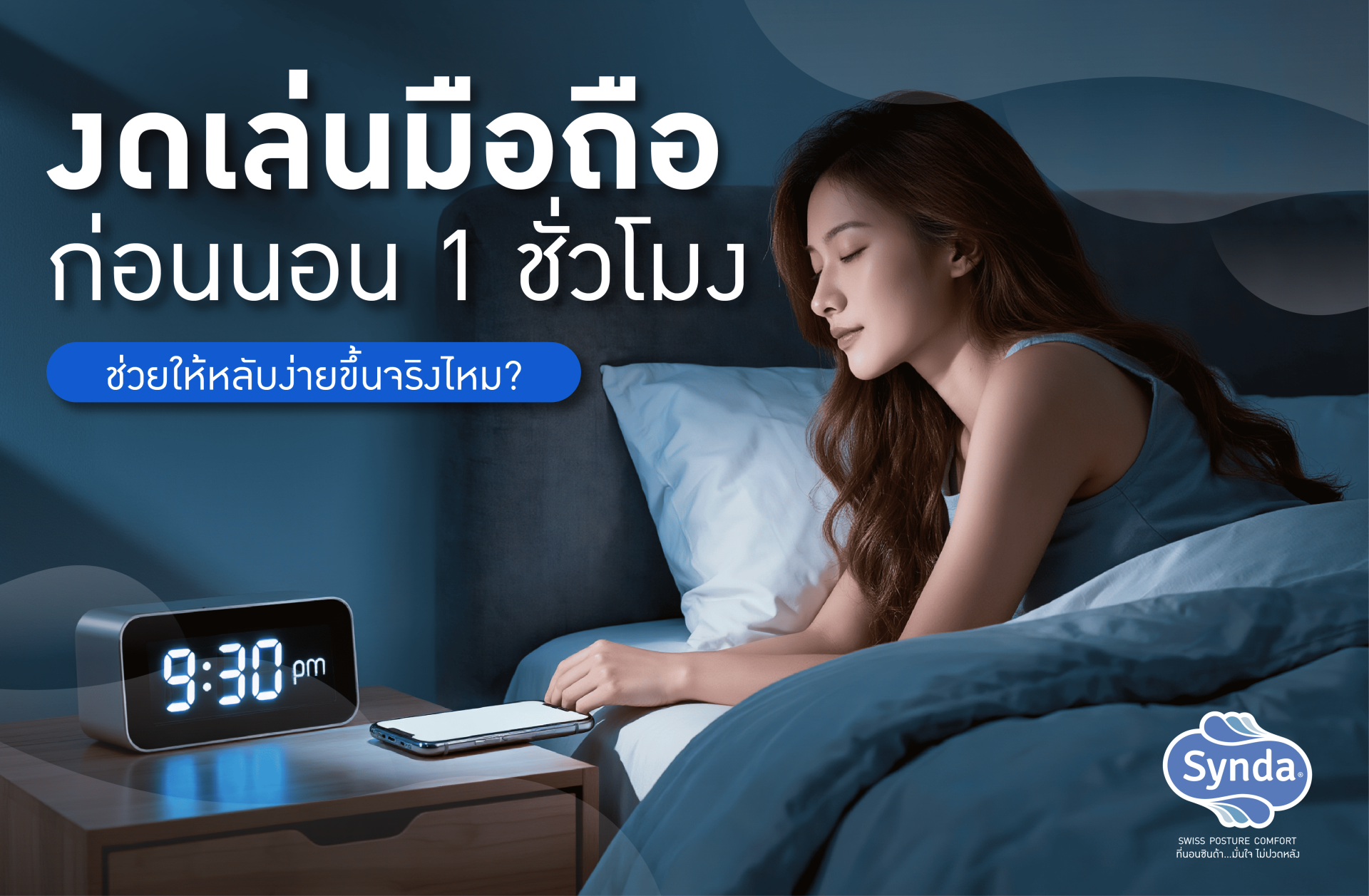
No Screen Time 1 Hour Before Bed, Does It Really Help You Sleep Faster?
Small Habit Changes for Quality Sleep Every Night
In an era where smartphones are practically an extension of our lives, many people unconsciously engage in "scrolling" before going to sleep—whether it's checking social media, watching short videos, or reading messages. But did you know that this small habit might be the exact reason why you find it hard to fall asleep, miss out on deep sleep, and wake up feeling groggy?
Why Does Smartphone Screen Time Before Bed Make It Harder to Sleep?
1. Blue Light Disrupts Sleep Hormones Smartphone screens emit Blue Light, which directly impacts Melatonin—the hormone responsible for regulating your body's sleep-wake cycle. When your eyes are exposed to blue light, your brain gets tricked into thinking it is still daytime, leading to reduced melatonin secretion and leaving you wide awake even late at night
2. Brain Arousal Keeps You Awake The content on smartphones—news, videos, or social updates—stimulates brain activity. Instead of entering a relaxed state before bedtime, your brain remains in an active mode of thinking, analyzing, and reacting, making it take much longer to fall asleep or causing light, fitful sleep
3. Unconsciously Delaying Your Bedtime Many intend to check their phones for just a few minutes, only to realize an hour has passed. This habit continuously pushes back your bedtime, resulting in sleep deprivation and fatigue the next day.
Benefits of Avoiding Screen Time 1 Hour Before Bed
- Helps your body naturally secrete melatonin.
- Allows your brain to transition into a relaxed state.
- Makes it easier to fall asleep and stay in deep sleep.
- Reduces nighttime awakenings.
- Helps you wake up feeling refreshed and energized.
A simple adjustment in daily habits can yield significant long-term health benefits.
Easy Techniques to Start Tonight
- Set a clear "No Phone Time": If your bedtime is 11:00 PM, put your phone away by 10:00 PM to let your body adjust
- Switch your bedtime routine: Instead of phone scrolling, opt for relaxing activities such as reading a book, listening to soft music, meditating, or practicing deep breathing
- Optimize your bedroom environment: An ideal bedroom should be quiet, calm, and dimly lit to help your body enter rest mode effortlessly
- Choose a mattress that supports deep sleep: Beyond nighttime habits, your mattress directly affects sleep quality. A mattress offering proper ergonomic support and breathability helps your body relax and achieve deeper sleep stages
Avoiding screen time before bed for 1 hour may seem like a small step, but it delivers a noticeable improvement in sleep quality—helping you fall asleep faster, sleep deeper, and wake up refreshed every morning.
FAQ : Frequently Asked Questions About Sleep and Blue Light
Q : What if I really need to use my phone before bed?
Synda Answer : If it is unavoidable, enable Night Mode / Blue Light Filter to reduce blue light exposure. Dim your screen brightness, keep the phone at least 30-40 cm away from your eyes, and limit usage to no more than 15-20 minutes
Q : What should I do if I still can't sleep after avoiding screens?
Synda Answer : Don't force or stress yourself to sleep. If 20 minutes pass and you're still awake, get out of bed and do a quiet activity under dim light, such as reading or listening to soothing music, Return to bed only when you feel sleepy. Also, check if your mattress provides adequate ergonomic support, as physical discomfort is another major cause of sleeplessness
Q : Does screen time before bed really prevent deep sleep?
Synda Answer : Yes, it does. Blue Light suppresses melatonin production, and engaging content induces Brain Arousal. Even if you manage to fall asleep, your brain remains overly active, making it difficult to reach Deep Sleep, which leaves you feeling exhausted upon waking up